By Faith Mozhui
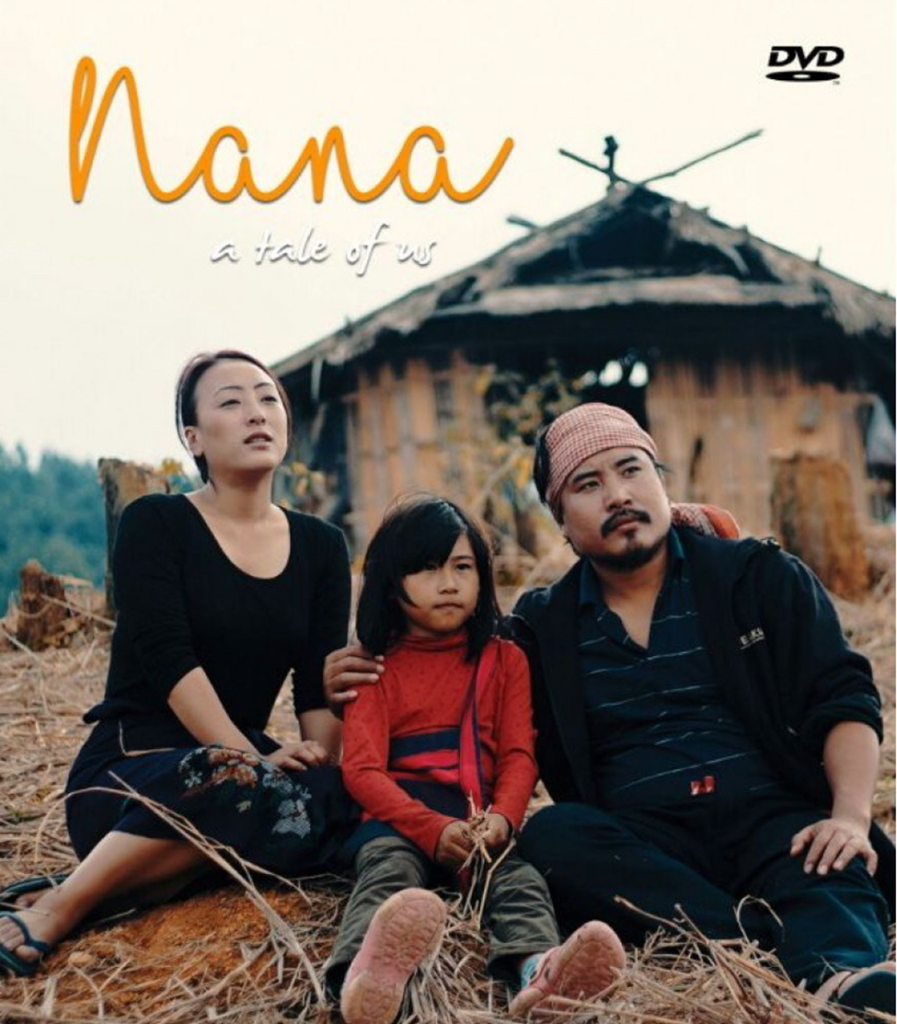
Stories have always been a huge part of the everyday life in the hills of Nagaland but rarely have they been captured in such honest, raw beauty as in the 2017 release of “Nana: A Tale of Us”, a Nagamese-language film that did not only break the silence but also erased the spatial division between regional ignorance and international artistic acclaim. Produced by the Aoyimti Youth Ministry and directed by Tiakümzük Aier, this film proved that a story does not need a massive budget or a studio backlot to resonate. It only needs to be true.
But what is going on behind the scenes of this movie? If you are one who is accustomed to the glossy production values and polish of mainstream cinema then prepare to be charmed by something much more grounded. The film is a proud display of hyperlocalism. Director Tiakümzük Aier and screenplay writer Limatula Longkümer skipped the flashy tropes and over-the-top melodrama; instead, they leaned into the genuine, messy, and incredibly relatable rhythm of a Naga village. It opts for realism through the authenticity of the households depicted, the subtleties of the Nagamese language used, and the understated emotional weight that will have viewers forgetting they are watching a film and start feeling like they are a part of a family dining discussion.
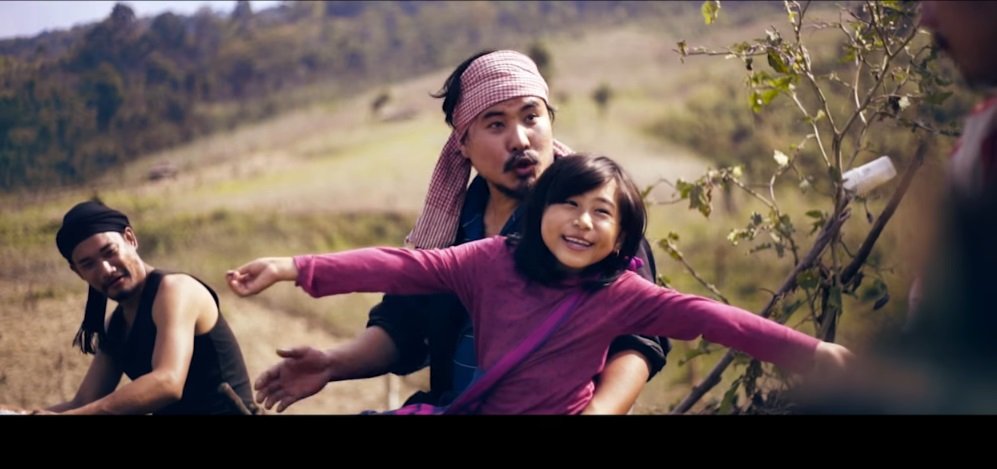
For anyone who loves digging into how movies are actually made, this film is a masterclass in powerful storytelling. It demonstrates that a filmmaker does not have to sacrifice their cultural roots to earn the respect of an international jury.
The movie’s selection for the Edinburgh Festival of Indian Documentary and Film, alongside its Golden Calton award for Best Director, marked a significant milestone for the region. This success completely debunks the notion that local or regional stories lack the weight to reach a global audience. Ultimately, it proved that depth of field isn’t about how much you spend on a lens but about the soul of the characters you choose to put in front of it.
The film also shows how art can reflect what a community is going through. It started with the Aoyimti Youth Ministry and became something a lot of people reference now. In places dealing with changes like modern life and what people value, it gave everyone a way to talk about things. It took those worries that were hard to pin down and made them something to discuss together. Viewers could see their own situations and the issues around them right there on the screen. That part is easy to miss sometimes.
It did more than just tell a story. It turned abstract anxieties into something shared even if the state is still sorting through civic stuff and shifting values. Some people see it one way others do not.
The legacy of the film shows how art hits hardest when it comes from deep roots. When a community shares its own stories in its own voice it does more than just entertain people. It keeps that culture alive in bigger conversations. At a festival focused on art and culture this film becomes something worth talking about. It brings up questions around who really gets to tell a story and the way language changes how we see things.
Today its impact shows up in how regional filmmakers seem more willing to take chances. The movie kind of proved you do not need huge money to make something strong. What matters more is having a clear idea and the guts to show real moments from your own place. I think that part still stands out even if some people miss how it changed things. It opened possibilities that feel hard to ignore now. In the wider picture of cinema it acts like a reminder to look at your own background instead of chasing outside trends. The story touches on resilience and language but also how a camera can find meaning in everyday life. Honoring the film is not only about looking at one release from 2017. It points to a way of making movies that still shapes the Naga view of things.
Nana: A Tale of Us is officially available to stream online. You can find the full movie streaming on YouTube via the official Dreamz Unlimited channel, or access it through the regional streaming platform, the HauTV app.
Hailing from Nagaland, Faith holds a Bachelor’s degree in English from Kohima Science College and a Master’s in Mass Communication. A creative at heart, they are passionate about art and cultural heritage and exploring the relevance of tradition in contemporary society.