By- Kaifullah Khan
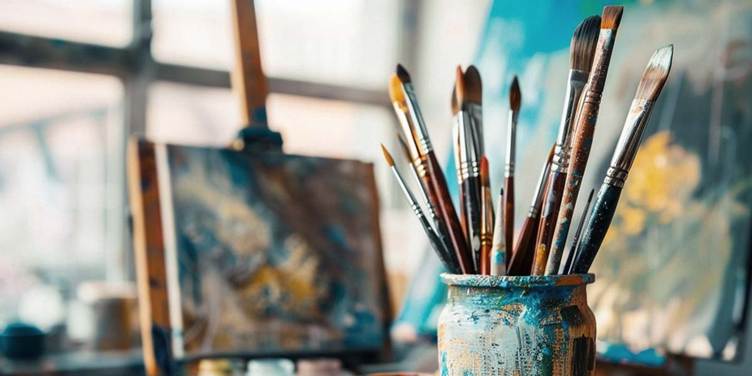
Brushes poised in a jar, capturing the quiet beginnings of creativity
Gold in India has been the symbol of security, stability and wealth across generations. However, there has been a shift towards viewing art as a significant alternative asset class. Previously offered through galleries or private collections, art is increasingly being used as an investment that combines the economic potential of an asset with its cultural and aesthetic value.
The Indian art market once considered a niche, has evolved into a structured global art market. Art is gaining popularity due to increasing disposable incomes, exposure to globalised trends, and the increased number of auctions and exhibitions. High Net Worth Individuals (HNIs) can benefit from the prestige, identity, and legacy aspects of the art as well as investment returns.
Why Art Investment in India Is Gaining Popularity
Art is very different from conventional investments such as stocks, real estate, or gold. Art investment value not only depends on market demand but also on factors such as scarcity, artist reputation, and historical or cultural importance. This makes it a very special investment, which combines financial and intangible value.
One of the biggest benefits of investing in art is diversification. Art investments do not correlate very well with conventional financial markets. This means that investing in art could be a hedge in a volatile market. Although stock markets may be volatile, the value of important artworks tends to remain stable, especially those by renowned artists.
Art is also a tangible asset. Unlike digital or paper investments, it exists and can be experienced daily. This dual benefit, financial appreciation and personal enrichment, makes it appealing. Industry analyses from Business Standard and Economic Times highlight that art is increasingly recognised in India as a long-term wealth strategy rather than merely an aesthetic indulgence.
Growth of the Indian Art Market
The Indian market has witnessed a considerable rise in the last decade. The market has become transparent and easily accessible due to auctions, art galleries, and online platforms. The artwork of modern masters such as M.F. Husain, S.H. Raza, Tyeb Mehta, and many others has been sold for record-breaking prices. This indicates that investors are confident in investing in art.
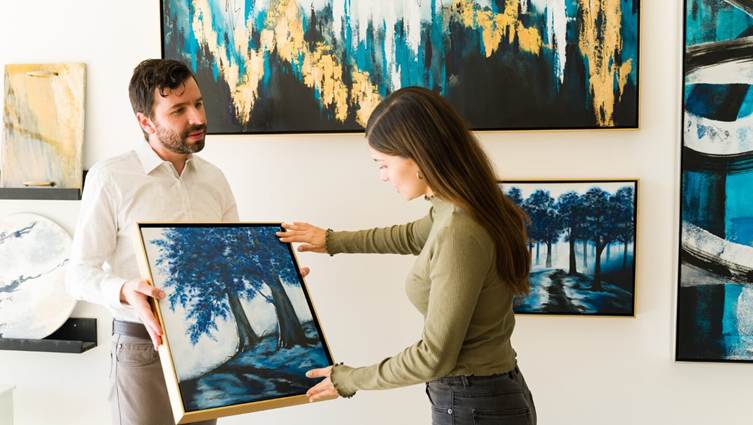
Couple examining framed artwork in a modern art gallery or home interior
However, several young contemporary artists are gaining recognition in India and abroad. This is an opportunity to invest in art at a lower cost.
Read More: Art as an Investment: Financial and Cultural Returns for Collectors in India indicates a growing number of young collectors in the market with a mix of passion and financial sense.
How to Begin Investing in Art
Although entering the art market can feel overwhelming, a structured approach will help make the process manageable and rewarding.
1. Build Knowledge and Awareness
Understanding artistic fundamentals, styles, periods, and the background of artists is critical. Attend exhibitions, read publications, and monitor trends to gain insights into the art world.
2. Start with What Resounds with You
The decision to invest in art is a personal one. Performing an investment that resonates with you visually ensures that if it takes longer than expected for you to receive a financial return on your investment, it will still have intrinsic value.
3. Balance the New with the Old
A balanced collection of art will contain both established and new artists. Establishing one’s will typically lead to stability, and new artists will have the potential to increase in value over time.
4. Verify the Artwork’s Authenticity & Provenance
The artwork must be checked before buying it. Also, you receive the necessary documentation along with the artwork, and it should be from reliable sources to avoid the risk of buying fake art.
5. Think Long Term
Art is a non-liquid asset. Therefore, art investments are expected to grow in value, with many experts stating that it will likely take several years to see significant gains.
Like any other investment, art has its own risks. For example, the lack of liquidity due to finding the right buyer could be problematic. Also, the lack of transparent pricing is another consideration when investing in pieces of art from developing regions.
Risks of Art Investment in India
In addition, associated costs of the investment, which may include storage, maintenance, insurance costs, and restoration of the artwork. Read more about hidden costs! But with proper research and discipline, these risks can be tackled.
Art as a Luxury Lifestyle and Status Symbol
In addition to monetary value, art assumes a special place in lifestyle and culture. Art adds value to a lifestyle, reflects a person’s taste, and represents a sense of sophistication. For many art collectors, art represents more than just a monetary value; it represents a sense of identity.
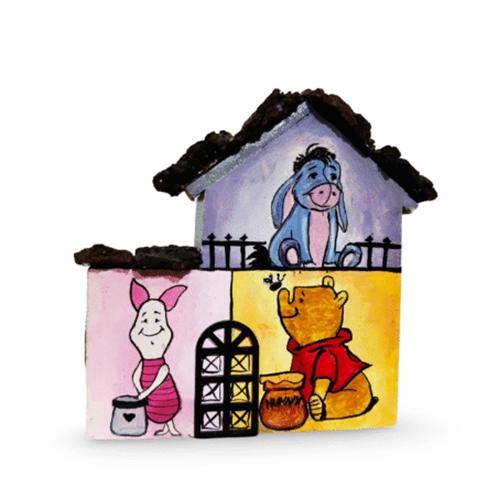
ACF’sHandcrafted Wooden Cartoon House-Winnie the Pooh & Piglet Painted
A luxurious atmosphere centres an experience by utilising art. It represents value, whether monetary or emotional. Start Your Journey with Art Culture Festival now.
As potential investors in the world of fine art, prospective participants will benefit from curated art resources. Art Culture Festival offers a rare opportunity to view a variety of artworks for experienced and novice art collectors. Click to visit our collection!
Conclusion
Art is not a replacement for gold, but it is increasingly emerging as a powerful complementary asset. Art offers a sense of security, depth and personal engagement.
The growing Indian art market presents an opportunity for investing in art. Art not only promises returns but also a legacy for those who are willing to understand it.