By Chahat Sharma
Over the last decade, Indian design has undergone a quiet yet profound transformation, it has
shifted from being framed largely through the vocabulary of craft and heritage to asserting itself
as a confident, contemporary, and globally resonant cultural force. At the heart of this evolution
stands India Design ID, a platform that has consistently reflected and often anticipated the
changing contours of Indian creativity.
The 2026 edition of India Design ID arrives at a moment of convergence. Titled “The Age of
Design Syncretism,” this year’s theme acknowledges a growing reality within contemporary
practice: that the most compelling design today exists in overlap. Between craft and technology,
tradition and innovation, local knowledge and global exchange, design is no longer confined to
singular identities or linear histories. Instead, it is shaped by hybridity, collaboration, and fluid
authorship.
Guiding this vision is Misha Bains, Fair Director of India Design ID, whose leadership has been
instrumental in expanding the fair beyond a marketplace into a cultural institution. Under her
direction, ID has evolved into a space where design is not only exhibited, but critically discussed,
commissioned, collected, and situated within larger social and cultural conversations.
In this conversation with ACF, Misha reflects on the journey of India Design ID, the shifts in
Indian design sensibilities over the years, the importance of global dialogue and why syncretism
feels like the defining condition of design today. It is a conversation about vision, authorship and
the power of design to shape how India sees itself and how the world comes to understand Indian
creativity.
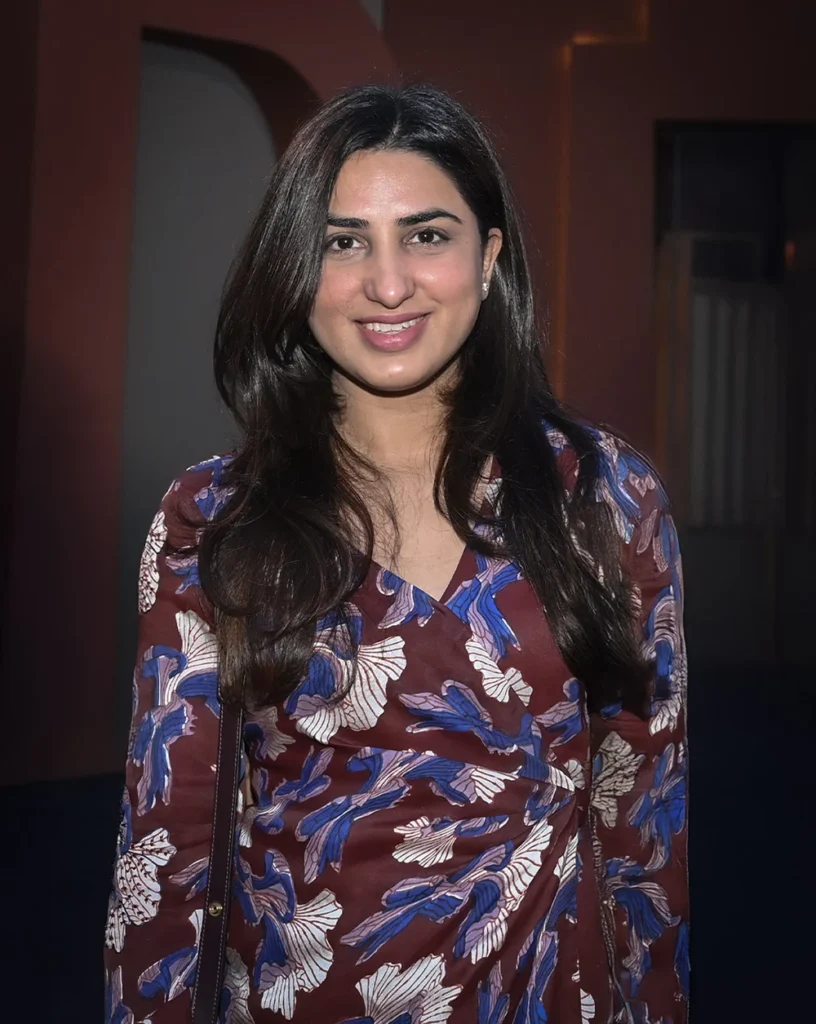
1. India Design ID has now grown into one of the most definitive design platforms in the
country. When you think back to the early editions, was there a moment when you realised,
“This is becoming something much bigger than a fair”?
Misha: I realised it was becoming bigger than a fair when people stopped coming just to browse
and started coming to engage with design as culture. The audience began planning their year
around the week, designers started debuting serious new bodies of work here, and conversations
at ID began shifting into real collaborations and commissions beyond the show. That’s when it
became clear that ID wasn’t just reflecting the ecosystem, it was shaping it.
2. Every edition of India Design ID feels like a reflection of where Indian design stands at that
moment. How would you describe the biggest shift you have seen in Indian design sensibilities
over the last decade?
Misha: Over the last decade, the biggest shift has been a move from good taste to authored
intent. Indian design today is more confident, less about borrowing global styles, and more about
building its own language through material intelligence, craft knowledge, and contemporary
living. There’s also a stronger culture of collecting and commissioning, which has pushed
designers to create work with deeper concepts, better detailing and long-term value.
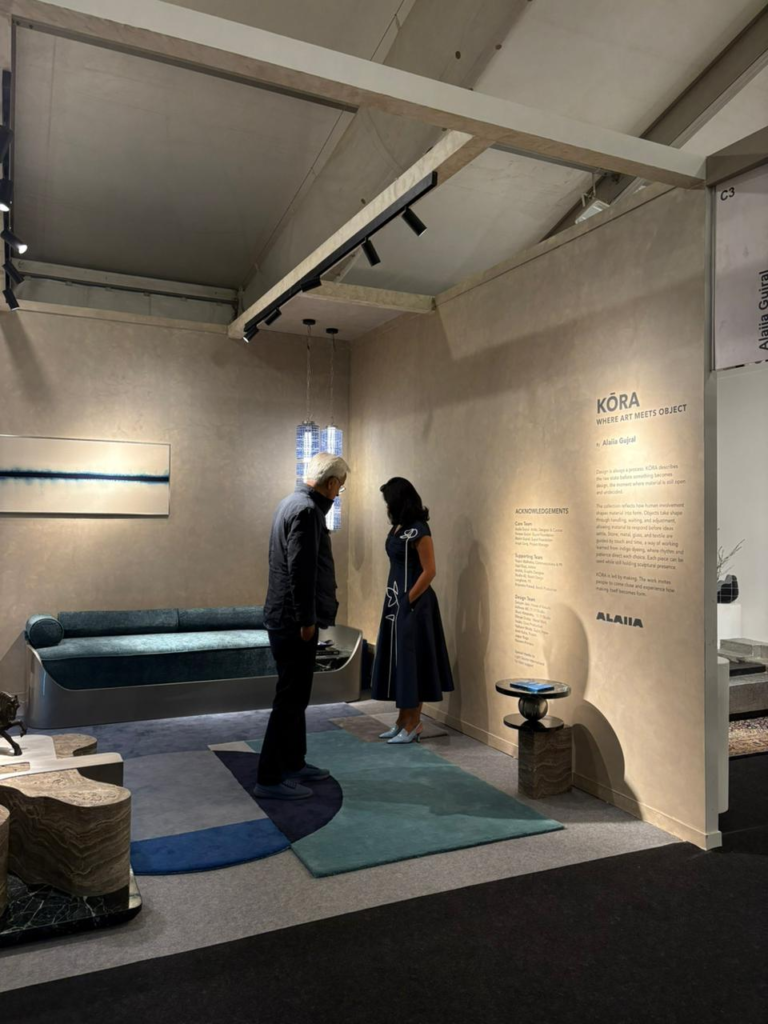
3. The 2026 theme, “The Age of Design Syncretism,” speaks of overlaps and hybridity. Was there
a personal observation, project, or conversation that inspired this theme?
Misha: Over the last few years, the most compelling work I’ve encountered hasn’t belonged to a
single lineage. Designers are moving fluidly between craft and technology, local materials and
global references, architecture and objects, often in collaboration with makers across regions and
even countries. In conversations with studios, galleries, and architects. “The Age of Design Syncretism” is our way of naming that shift where influence becomes method and overlap
becomes a new kind of originality.
4. You have consistently brought international voices into conversation with Indian designers.
Can you share a moment when a global participant had their perception of Indian design
completely changed after experiencing ID?
Misha: One moment that stays with me is when an international participant arrived expecting
Indian design to be “craft-led” in a purely traditional sense and left speaking about India as a
place of contemporary authorship and material experimentation. After a full day at ID, walking
the exhibits, meeting studios and hearing the conversations, he said that I didn’t realise how
rigorous the detailing is and how conceptually resolved the work is. That shift, from viewing
India as a source of heritage to recognising it as a producer of new design language is exactly
why these global exchanges matter.
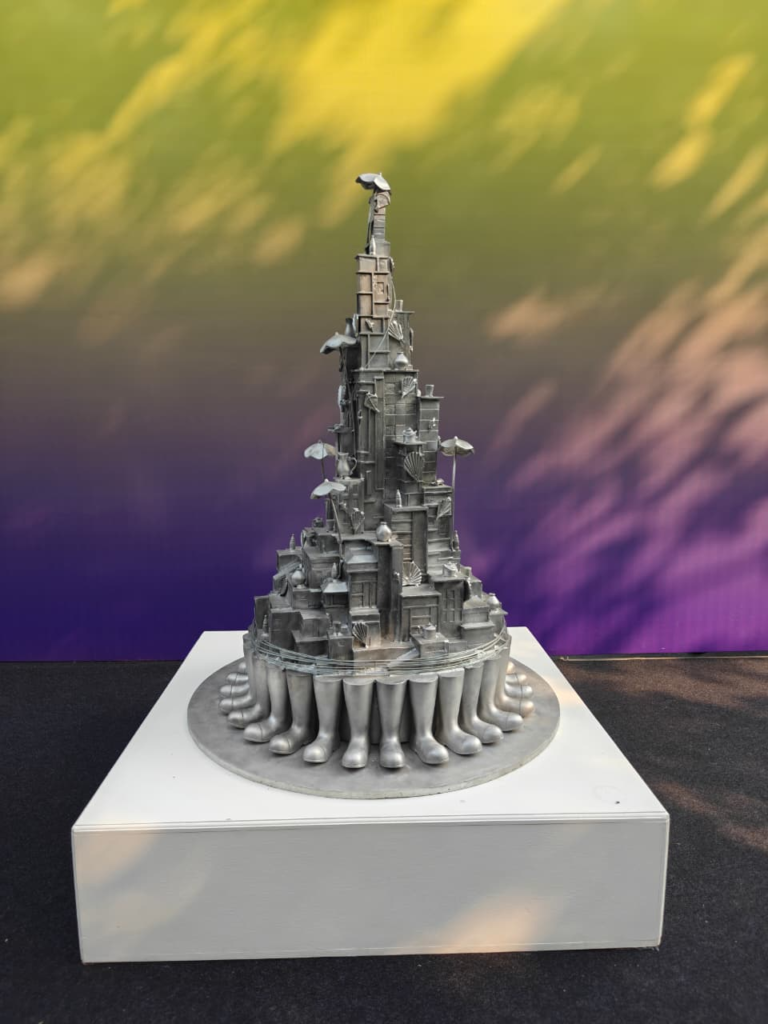
5. ID Symposium has become a space for serious yet accessible design conversations. How do
you balance intellectual depth with storytelling so that design does not feel intimidating or
exclusive?
Misha: For me, the balance comes from starting with lived experience and not just theory. We
choose themes that are intellectually rigorous, but we frame them through materials, process,
practice and the real questions designers and audiences are already grappling with. The other part
is curating the right voices, the right pairings, and a format that invites clarity over jargon. When
you anchor big ideas in stories of making and real projects, design stops feeling exclusive and
becomes something people can enter, question and relate to.
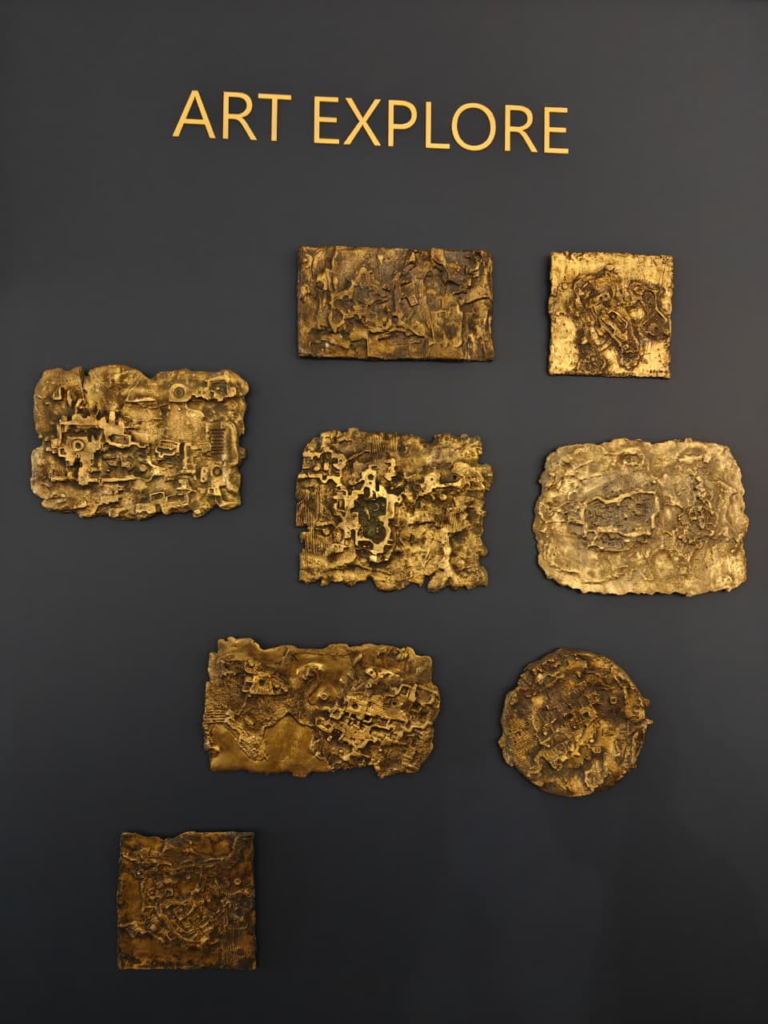
The Age of Design Syncretism captures a defining moment for Indian design, one where rigid
categories dissolve and new creative languages emerge through overlap, collaboration and intent.
Design today is no longer negotiating between tradition and contemporaneity, but confidently
inhabiting both, allowing hybridity itself to become a form of authorship.
Through India Design ID, Misha Bains has helped build a platform that positions design as
culture rather than a commodity. By prioritising discourse, experimentation and long-term impact,
the fair continues to shape not only how Indian design is seen globally, but how it understands
itself.